




The Art of the Tandoor The Tandoor: From Ancient Tradition to Modern Gourmet Philosophy

A tandoor is more than just an ancient oven; it’s a unique culinary philosophy from the East that has captivated modern food enthusiasts. From the cozy courtyards of Tashkent to stylish terraces in Chisinau, the tandoor is becoming the centerpiece for everyone who appreciates succulent meat, aromatic flatbreads, and the raw beauty of a live fire.
If you are planning to buy a tandoor in Moldova or already own one, this guide from Casagrill will help you master the nuances of operation and the secrets to your oven's longevity.
What is a Tandoor and What is Its Secret?
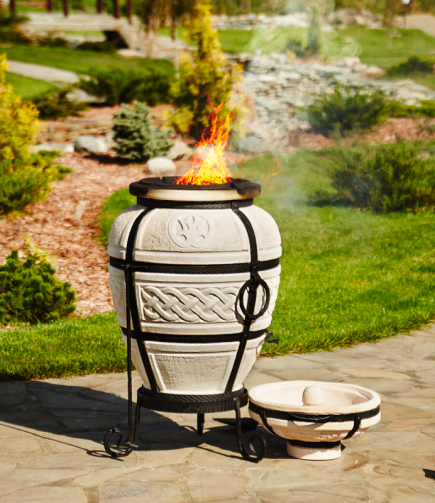
A tandoor is a vertical ceramic oven shaped like a sphere or a pitcher, handcrafted from eco-friendly fireclay (chamotte). Its main feature is its phenomenal heat capacity.
How it works:
-
You ignite firewood inside.
-
The walls absorb the heat, reaching temperatures between 400°C and 900°C.
-
Once the wood burns down, you close the lid. The food cooks not over an open flame, but through the powerful radiant heat of the walls.
The Result: It is impossible to dry out meat in a tandoor. Infrared radiation and convection bake the food evenly and quickly, sealing all the juices inside.
.jpg)
Choosing Your Tandoor: Which One is Right for You?
Before ordering at Casagrill.md, decide on the construction type:
-
Stationary: A classic choice for large estates or restaurants. They have the thickest walls but require a foundation and cannot be moved.
-
Portable (Mobile): The most popular choice for residential use. Mounted on forged steel legs, they can be stored in a garage for winter. They feature high-strength ceramics reinforced with a metal frame to prevent deformation.
Checklist: How to Choose the Perfect Tandoor
-
Wall Thickness: Crucial for heat retention. 3-4 cm is fine for a quick picnic for 2-3 people. For multiple cooking cycles (meat, then vegetables, then bread), choose 5-7 cm.
-
Weight: A good tandoor isn't light. Weight equals thermal inertia. A standard family model weighs between 60 and 120 kg.
-
Mouth Diameter: A wider opening makes it easier to hang large cuts (like a leg of lamb) or slap flatbreads onto the walls.
-
Accessories: Ensure it includes a poker, ash shovel, grate, and skewer hangers.
The Most Important Stage: The First Burn
The first ignition is the "tempering" of the clay. This determines whether your tandoor will crack or serve you for 20 years.
Expert Tips from Casagrill:
-
Drying: If the tandoor was stored in a damp place, let it sit in the sun for a couple of days.
-
Slow Start: Place a few wood chips and dry twigs at the bottom. Heat the oven very slowly. The flame should not rise above the neck.
-
Gradual Increase: Once the walls are warm, add more wood (no more than 2/3 full). The walls will turn white as the soot burns off—this means you've reached cooking temperature.
-
Hairline Cracks: You will see tiny cracks during heating. Don't panic! This is the natural expansion of the ceramic. They become nearly invisible once cooled, and the steel frame is there to hold everything together.
Maintenance and Winter Use
-
Moisture Protection: Fireclay is porous. Always use a waterproof cover. If water freezes inside the pores, the clay might crack.
-
Winter Cooking: You can use a tandoor in winter! Just raise the temperature even more slowly than in summer to avoid thermal shock.
-
Self-Cleaning: No detergents needed. Fat burns off during the next firing. Just clear the ash through the blower hole.
Ready to transform your weekends? Visit the Tandoor section at Casagrill.md — we have everything from compact models to professional ovens!
Discover More Tandoor Magic
Essential Guides for the Masters of Fire:
-
More Proven Recipes:
Other articles
