


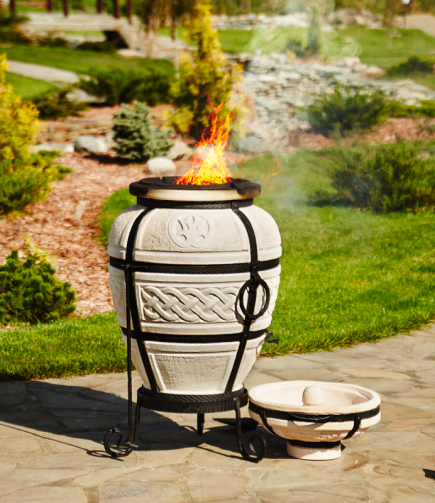


Tandoor Baking: The Golden Classic of the East

Tandoor-baked goods are prized for that signature crunchy crust and airy center—a texture nearly impossible to achieve in a conventional oven. The secret lies in the contact heat from the stone walls and the powerful convection swirling inside the vessel.
1. Uzbek Flatbread (Obi-Non)
This is the gold standard. A true non should be thin and crisp in the center while remaining thick and pillowy at the edges.
Ingredients:
- Bread Flour: 1 kg
- Warm Water: 600 ml
- Dry Yeast: 10–11g (or 30g fresh yeast)
- Salt: 2 tsp
- Sesame Seeds (Black or White): for garnish
Directions:
- The Dough: Dissolve the yeast and salt in warm water. Gradually mix in the flour to create a dense but elastic dough. Let it rise in a warm spot for 1.5–2 hours until doubled in size.
- Shaping: Divide the dough into 250–300g balls. Use your hands to stretch them into round disks, pressing down firmly in the center to create a deep well.
- The Pattern: You must prick the center with a chekich (a traditional bread stamp) or a fork to prevent the middle from puffing up.
- The Bake: Mist the tandoor walls with water. Moisten the back of the dough with salt water and, in one swift motion, slap it onto the red-hot wall.
Pro Tip: If you're worried about the heat or the dough falling, use heat-resistant gloves and a padded "rapida" cushion.
5. Finishing: After 5–8 minutes, once the bread turns a deep gold, remove it using a hook and a flat scraper (kapgir).

2. Tandoori Samsa (Beef & Onion)
When cooked in a tandoor, samsa stays incredibly succulent because the juices boil inside the pastry, while the exterior bakes into a crisp, "shatter-on-impact" texture.
Ingredients:
- Pastry: Puff pastry (flour, water, salt + butter or rendered lamb fat for layering).
- Filling: Fatty beef (500g), onions (500g)—a 1:1 ratio is essential—salt, cumin (zira), and cracked black pepper.
Directions:
- The Filling: Finely dice the beef and onions (do not use a meat grinder!). Add spices and massage the mixture by hand until the onions start to release their juice.
- Assembly: Roll out a piece of pastry, place the filling in the center, and fold into a triangle or square, pinching the edges tightly to seal.
- The Cook:
* Traditional Method: Wet the bottom of the samsa with salt water and stick it directly to the tandoor walls.
* Rack Method: Place the samsa on tiered wire racks lined with parchment or greased with oil. - Timing: Close the lid and the damper. Bake for 15–20 minutes. Five minutes before they’re done, you can spritz them with water for a glossy finish.
Secrets to the Perfect Bake:
- Temperature: Only load the bread and samsa once the wood has burned down completely and the walls have turned from black (soot) to white.
- Humidity: To prevent the pastry from drying out, mist the walls with a spray bottle just before loading the dough.
- The Rest: Once removed, let the pastries "rest" under a towel for 5–10 minutes. This softens the crust just enough and deepens the aroma.
Discover More Tandoor Magic
Essential Guides for the Masters of Fire:
-
Everything About Tandoors: From Selection to the First Fire — Learn how to season and prepare your oven to ensure it lasts for decades.
-
More Proven Recipes:
Other articles
